
After over a year of unjust detention, torture, and harassment, a San Fernando City, Pampanga court dismissed the illegal possession of firearms and explosives case against the so-called Mexico 4. Karapatan Central Luzon recognized the court’s decision favoring the four peasant organizers and human rights defenders.
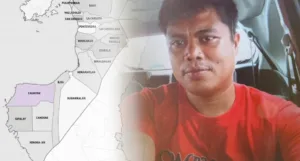
The Mexico 4 consists of Maria Theresa Buscayno, Andres Ely, Oliver Millo, and former University of the Philippines student regent (1997–1998) Desiree Jaranilla Patuñ-og. They were arrested on July 29, 2024 while traveling in a van along Jose Abad Santos Avenue in Mexico, Pampanga. The four said they were dragged out from the van, forced to kneel, and were beaten. They were forced down prone on the road for five hours prior to detention in Pampanga.
Jaranilla-Patuñ-og and Buscayno were released on August 14 while Millo and Ely remained in jail because of other cases against them in Nueva Ecija and Zambales courts. The court granted their motion for a “demurrer to evidence” and dismissed their cases. This effectively scrapped the charges and acquitted the accused for of lack of evidence.
Aside from this, a Malolos, Bulacan court also dismissed last year the four victims’ cases of violating the Anti-Terrorism Act.
“This victory proves what we have long asserted—that the AFP and PNP lied and planted evidence to jail innocent organizers,” Karapatan-Central Luzon declared. The group expressed outrage at the grave injustice the victims suffered.
Samahan ng mga Ex-Detainee Laban sa Detensyon at Aresto (SELDA) vice chairperson Danilo dela Fuente said spurious charges of illegal possession of firearms and explosives have always been resorted to by state authorities when they cannot allege other crimes against targeted activists and organizers.
“This old and worn-out modus of staging a crime scene and planting of evidence is not new, especially during checkpoints and raids of houses and offices of activists,” Karapatan secretary general Cristina Palabay said. She added that even with the use of body-worn camera during arrest and search, as mandated by the Supreme Court, the authorities still managed to plant evidence.
In the case of the Mexico 4, the assigned videographer of the arresting forces rode a separate vehicle and waited for the “go signal” to start the recording, to conjure legitimacy over the arrest. These details were revealed in court hearings.
According to the groups, the struggle continues until all the cases against the Mexico 4 are dismissed and all political prisoners are freed. More than 700 political prisoners nationwide remain behind bars.