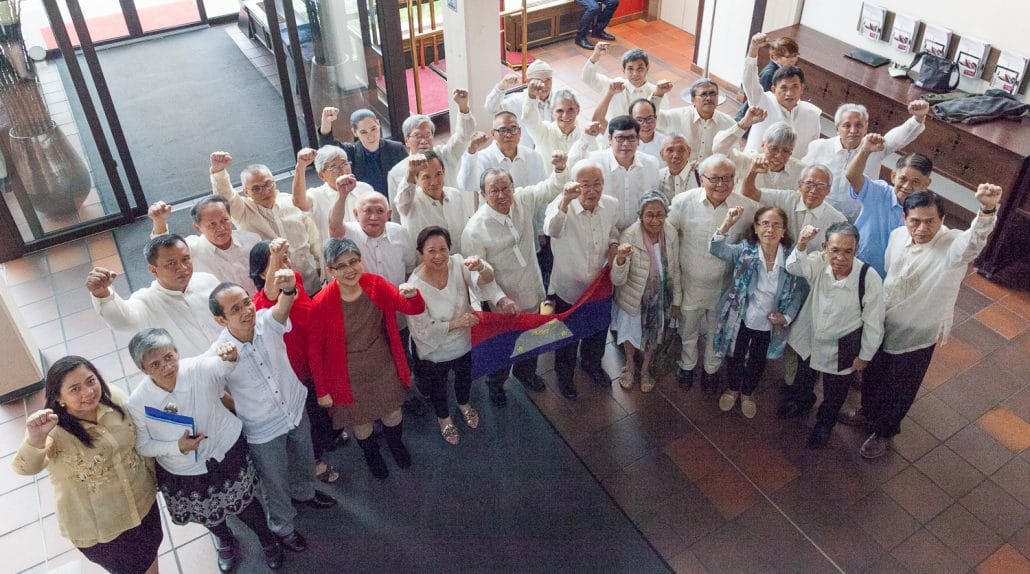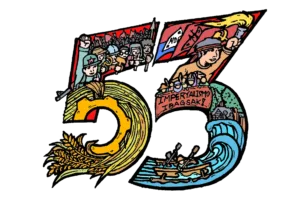

The National Democratic Front of the Philippines (NDFP) has consistently maintained a policy of openness to genuine peace negotiations that can address the root causes of armed conflict. Over the decades, various Philippine puppet regimes have attempted to co-opt the peace process, often seeking to force the revolutionary forces to surrender rather than meaningfully engage in the substantive agenda items as outlined in the Hague Joint Declaration.
This infographic aims to provide a concise overview of the NDFP-GRP peace negotiations from 1986 to the present, highlighting key agreements and periods of stalled or terminated talks. The infographic underscores how successive administrations from Arroyo to Duterte and now Marcos Jr have often prioritized surrender and localized peace initiatives over addressing the root causes of armed conflict.
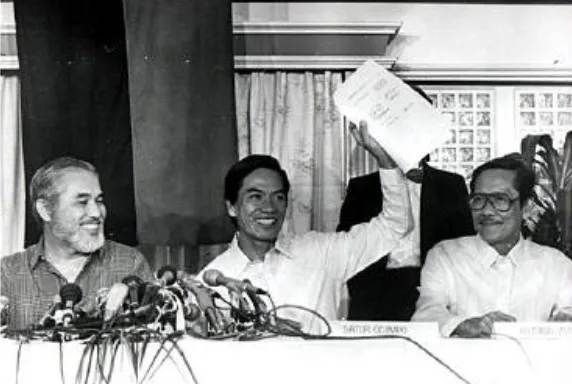
August-December 1986: Formal talks began under GRP President Corazon Aquino after release of political prisoners, but collapsed after the Mendiola Massacre on January 21, 1987.
September 1, 1992: The Hague Joint Declaration was signed in the Netherlands, establishing the framework and substantive agenda for the NDFP-GRP peace talks.
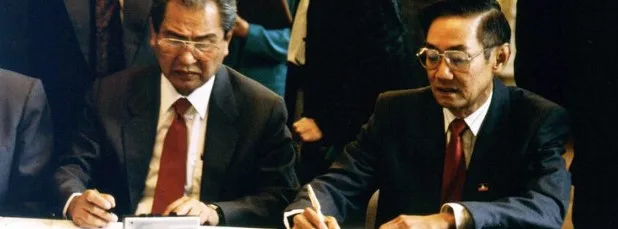
February 24, 1995: The Joint Agreement on Safety and Immunity Guarantees (JASIG) was passed. In subsequent months the same year, various other agreements were also signed including the Ground Rules to Formal Meetings, and the Formation and Operationalization of Reciprocal Working Committees.
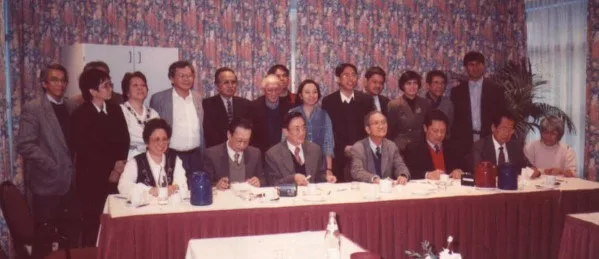
March 16, 1998: The Comprehensive Agreement on Respect for Human Rights and International Humanitarian Law (CARHRIHL) was the first substantive agreement of the peace process committing both parties to uphold human rights and international humanitarian law.
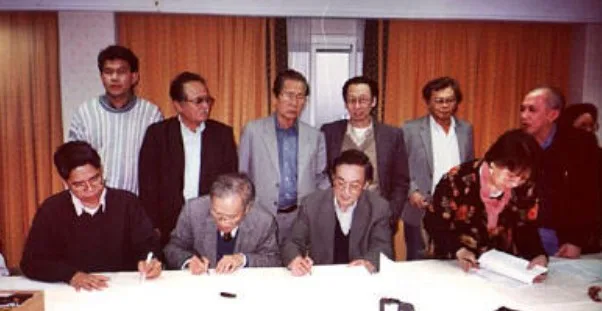
April 30, 2001: Formal peace negotiations resumed in Oslo, Norway with the signing of the Oslo Joint Communique.
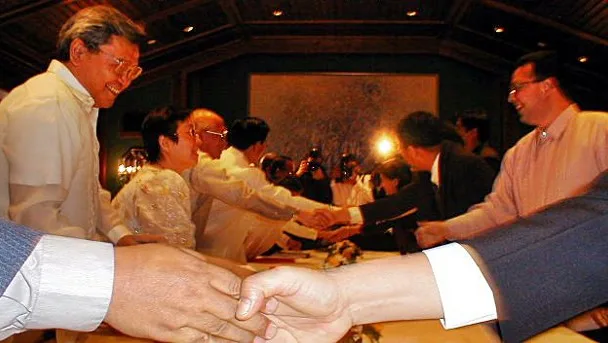
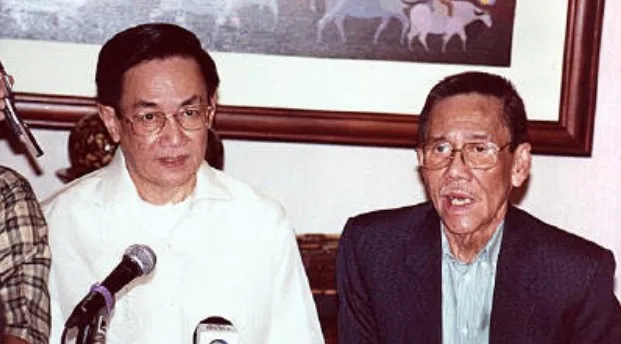
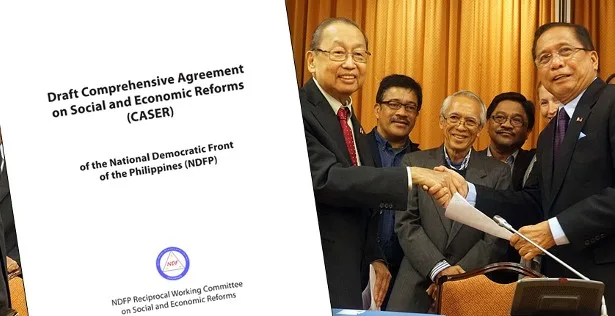
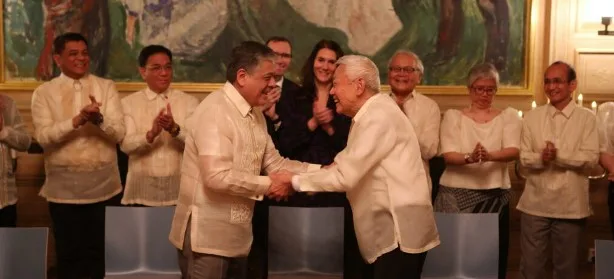
August 2016: Peace talks between the NDFP and GRP formally resumes in Oslo, Norway with both sides engaged in multiple rounds of formal negotiations between August 2016 to April 2017.
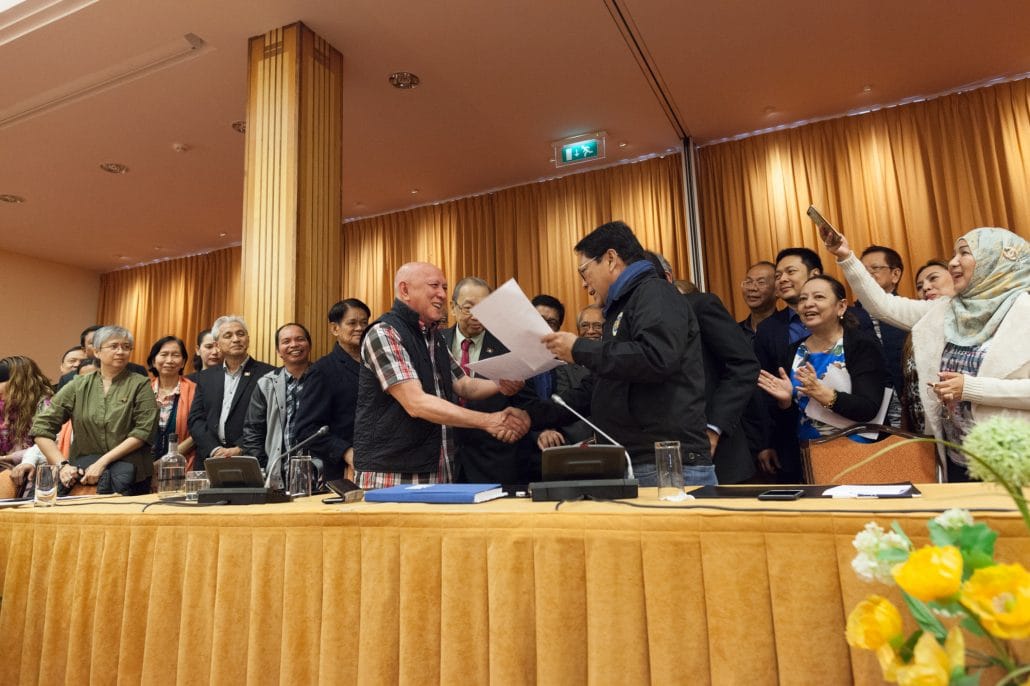
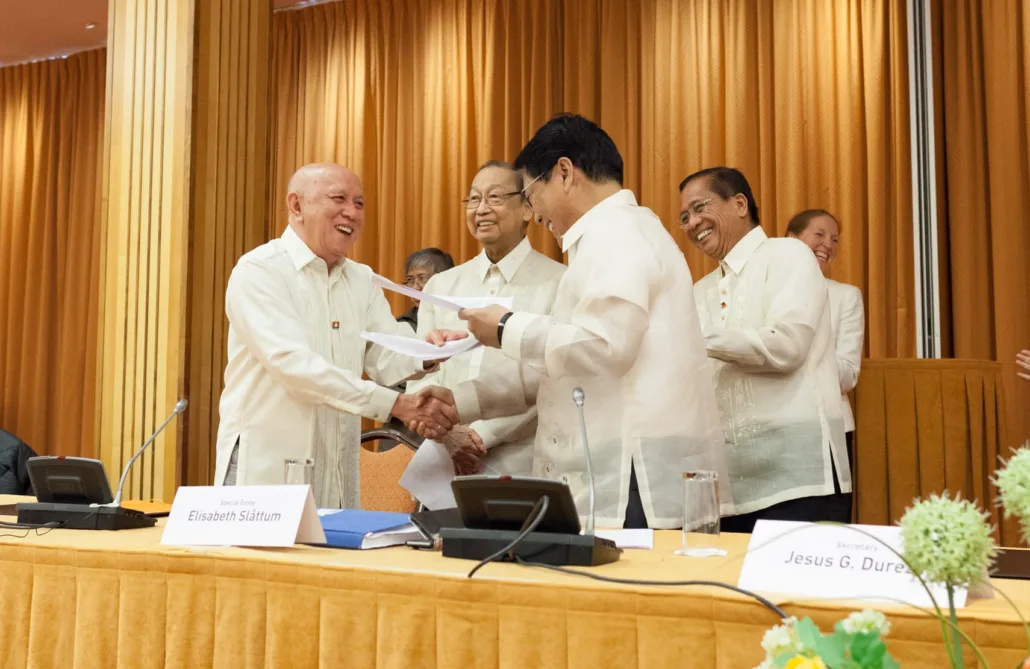
November 23, 2017: Duterte unilaterally terminated the peace talks through Proclamation No. 360.
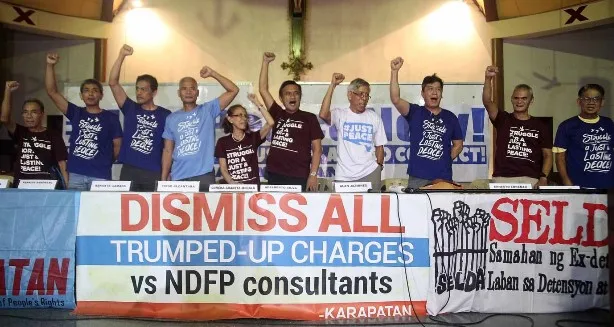
December 5, 2017: Duterte issued a proclamation designating the CPP and the NPA as terrorist organizations. This was followed by the killings of NDFP consultants many of whom directly participated in peace talks. These included:
Randy Felix Malayao – NDFP peace consultant and spokesperson was shot and killed on a bus in Nueva Vizcaya on January 30, 2019.
Julius Giron – NDFP peace consultant killed on March 13, 2020.
Randall Echanis – NDFP consultant found dead on August 10,2020 with multiple gunshot wounds and signs of torture.
Eugenia Magpantay and Agaton Topacio – Elderly NDFP consultants killed in a police raid on November 25, 2020.
Antonio Cabanatan and Florenda Yap – NDFP consultants abducted and killed in Iloilo on December 26, 2020.
Jorge “Ka Oris” Madlos – NDFP-Mindanao spokesperson killed in Bukidnon on October 30, 2021.
Rustico Tan and Reynaldo Bocala – NDFP peace consultants for the Visayas simultaneously killed May 28, 2021 in separate incidents in Pilar, Camotes Island, Cebu, and Pavia, Iloilo respectively.
Under the Marcos Jr. regime, the killings and arrests of NDFP peace consultants continued. Benito Tiamzon and Wilma Austria-Tiamzon were captured and summarily executed on August 2022. Ariel Arbitrario who participated in the 2017 talks was killed on September 11, 2024, in Cagayan Valley. Concha Araneta-Bocala was killed in 2024. This continuing pattern of killings exposes the Marcos regime’s approach to peace: that rather than engaging in genuine negotiations that address the root causes of armed conflict, it prioritizes a militarist response. By targeting those who have actively participated in the peace negotiations, the regime signals its disregard for established agreements such as JASIG and CARHRIHL and its unwillingness to create a safe and constructive environment for dialogue.
Today, the Marcos Jr. regime continues to advocate for a so-called “restart” of peace negotiations, but with a narrow and highly conditional focus on disarming and demobilizing the New People’s Army. This approach highlights the regime’s enduring unwillingness to meaningfully discuss socio-economic reforms such as genuine land reform and national industrialization.